
01 / Field team
Hospital field sales
We bring people into your company who personally know heads of department, senior physicians, theatre nursing staff, hospital procurement and infection control leads — and they represent your brand, not ours.
For every client we incorporate a German GmbH and equip it with what market entry in Germany actually requires: access to heads of department, hospital procurement and Einkaufsgemeinschaften, the German hospital group purchasing organisations — access built over 27 years. The company carries your brand name, holds the listings, and is run by us until you decide to take it over yourself.
If you want to introduce a medical device that needs explaining in Germany, you usually have two options — and both have structural weaknesses:
The third route separates the two questions that normally get answered together: who owns the sales organisation, and who runs it. The company is yours. It is run by people who have worked the German hospital market since 1999.
Sales runs inside your German company from Module 1 — it is the contracting party for every hospital. We staff it: with interim management, with a field team, and with exactly the contacts from our network that your indication needs.
We bring people into your company who personally know heads of department, senior physicians, theatre nursing staff, hospital procurement and infection control leads — and they represent your brand, not ours.
From 27 years in German hospital sales we select the contacts that matter for your indication and product category. No scattering across a multi-client catalogue.
Preparing listing applications, steering them through the procurement departments, negotiating terms — with your company as the contracting party.
Access to the German group purchasing organisations and hospital groups — the procurement structures that run in parallel to direct hospital contact.
User training on site, coordinated with the Board of Experts (Module 6). And the DRG calculation, without which no decision is made in German hospital procurement.
Three routes into the German hospital market. The difference is not the effort involved but the question of what belongs to you at the end.
| Aspect | Classic distributor | Own German subsidiary | Client GmbH with MEX |
|---|---|---|---|
| Mandates | Multi-client, hundreds of products in parallel | Exclusive | Exclusive — your brand is the key product |
| Contract with the hospital | Held by the distributor, lost when it ends | Held by you | Held by your company — it stays your property |
| Hospital access | Exists, but is not prioritised | Built from zero, 18–36 months | An existing network, contributed with intent |
| Upfront investment | Commission model | Seven-figure, sunk cost | Predictable, growing with the mandate |
| Leadership | Someone else’s priorities | Your own staff, your own risk | Interim management by MEX |
| MDR connection | An external interface | Requires your own staff | Built straight into the MDR pipeline (Module 2) |
| Brand presence | Distributor branding dominates | Your brand | Your brand |
| Taking it over yourself | Not foreseen | Not applicable | At any time — the company is built for it |
An Israeli manufacturer of thromboprophylaxis systems wanted a presence in German hospitals without building a subsidiary. Today a German company — UniCare GmbH — runs that sales operation: hospital account management, listings, user training, reordering processes. It works exclusively for this manufacturer and appears in its name. MEX runs it on an interim management mandate.
The manufacturer could take this company over at any time and continue it independently. That is exactly what it was built for. That is the difference to a distribution agreement: at the end there is no notice period, but a working German sales organisation you get to keep.
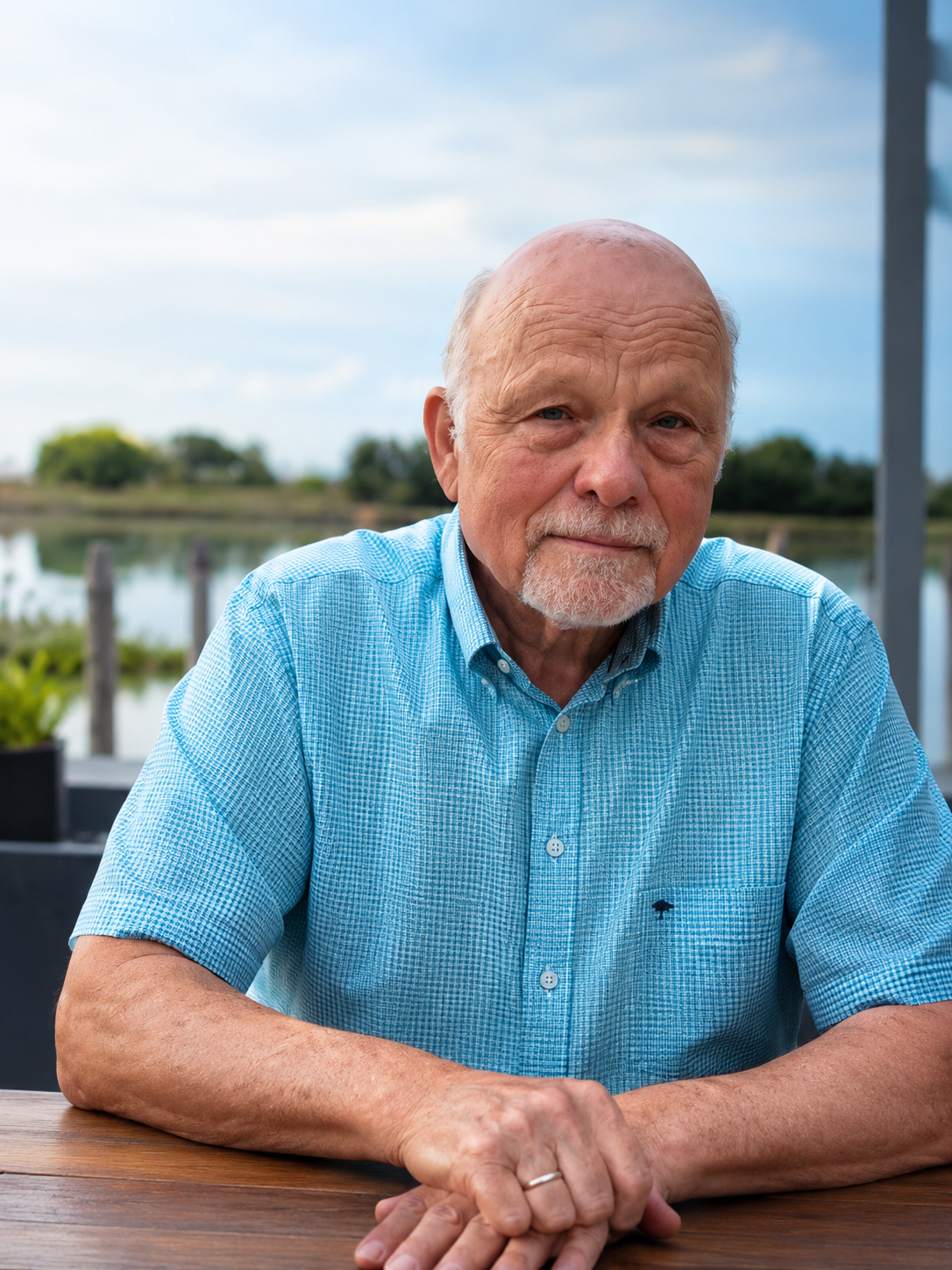
Founder and managing director of MEX. Since 1999 he has built the hospital network from which our clients’ sales organisations are staffed today. He owns hospital targeting, listing strategy and the ongoing account management of the client companies.
Anyone selling an innovation does not need a distributor. They need a field organisation that treats that innovation as its key product.
In 30 minutes we sketch out the first hospital targets from our network — matched to your indication, your product category and a sensible roll-out sequence.
Arrange a sales strategy call